
Welcome to Lapu-Lapu City
History, Culture, and Island Progress. Where History Finds its Horizon.
Overview
A strategic gateway to the Visayas, where a thriving industrial base, a world-class tourism economy, and a tropical island climate converge.
Accessibility & Opportunities
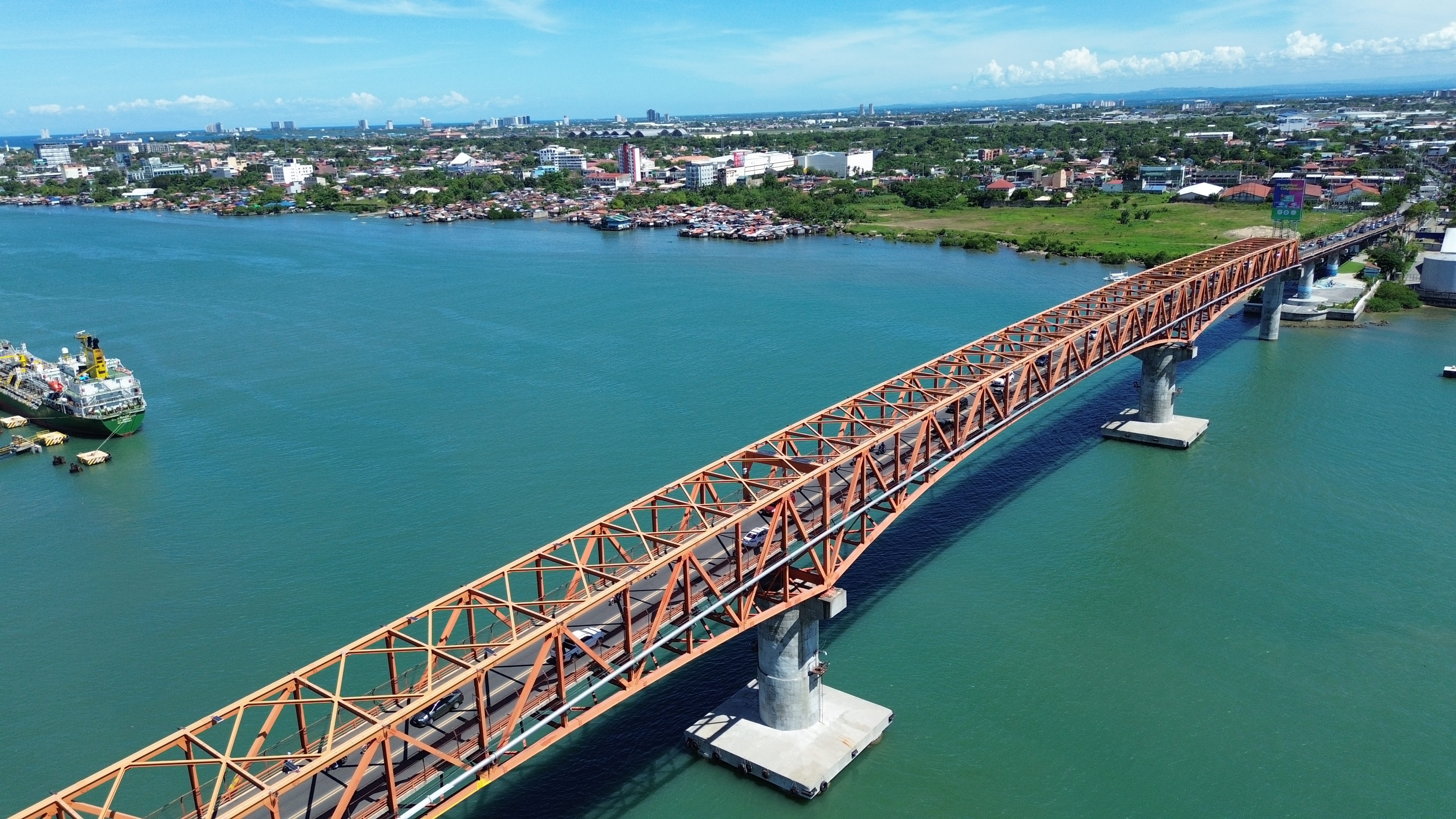
Lapu-Lapu City serves as a key economic hub, hosting three Mactan Export Processing Zones (MEPZ), where numerous multinational manufacturing firms operate. Its strategic location, with direct access to the Mactan-Cebu International Airport, positions the city as both a gateway to the Visayas and a thriving center for industrial development and tourism.
Climate
Lapu-Lapu has a tropical monsoon climate, with an average annual temperature of 27.6°C. The hottest month is May, averaging 28.6°C, while the coolest month is January, averaging 26.6°C.
Major Industries
Manufacturing, transportation & storage, wholesale & retail trade, and tourism.
Area
64.24 sq. km. total land area Residential 21.49 km² • Commercial 12.31 km² • Industrial 20.82 km²
Lapu-Lapu City at a Glance
Geography
Land, people, and density
Top Richest Cities
Philippines • 2024
- 1Baguio City
- 2Cagayan de Oro City
- 3Iloilo City
- 4Lapu-Lapu City
- 5Cebu City
- 6Mandaue City
- 7Angeles City
- 8Davao City
- 9Bacolod City
- 10Iligan City
Top Corporations
Operating in Lapu-Lapu City
- Timex Philippines Inc.
- Yokoi Hose Cebu Corp
- Aboitiz InfraCapital
- Muramoto Audio Visual
- Sakamoto Philippines
- Lear Automotive
- National Semi Conductors
- Concentrix Philippines
Resort City
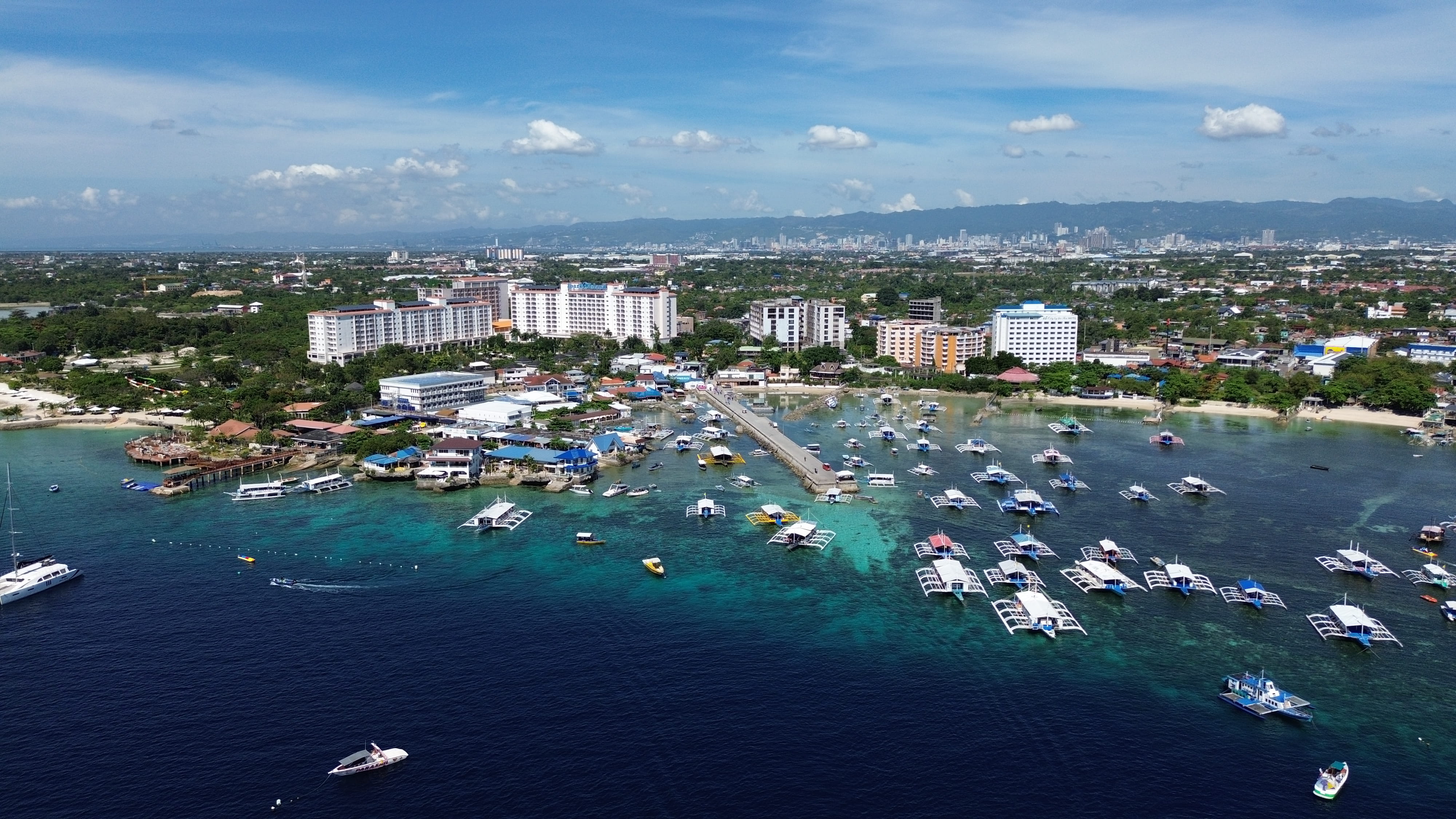
Lapu-Lapu City, widely celebrated as the "Resort City," offers a vibrant blend of world-class tropical luxury and deep cultural heritage on the shores of Mactan Island. Its coastline is dotted with prestigious destinations like Shangri-La Mactan and Plantation Bay, which are famous for their expansive saltwater lagoons, private marine sanctuaries, and high-end amenities. Beyond the manicured resort beachfronts, the city serves as a premier gateway for island hopping to pristine spots like Olango and Pandanon, where crystal-clear waters and white sandbanks await. This coastal charm is anchored by the city’s rich history, most notably at the Mactan Shrine, where the legacy of Datu Lapu-Lapu is honored amidst a landscape that seamlessly transitions from bustling artisan guitar workshops to serene, sun-drenched horizons.
History
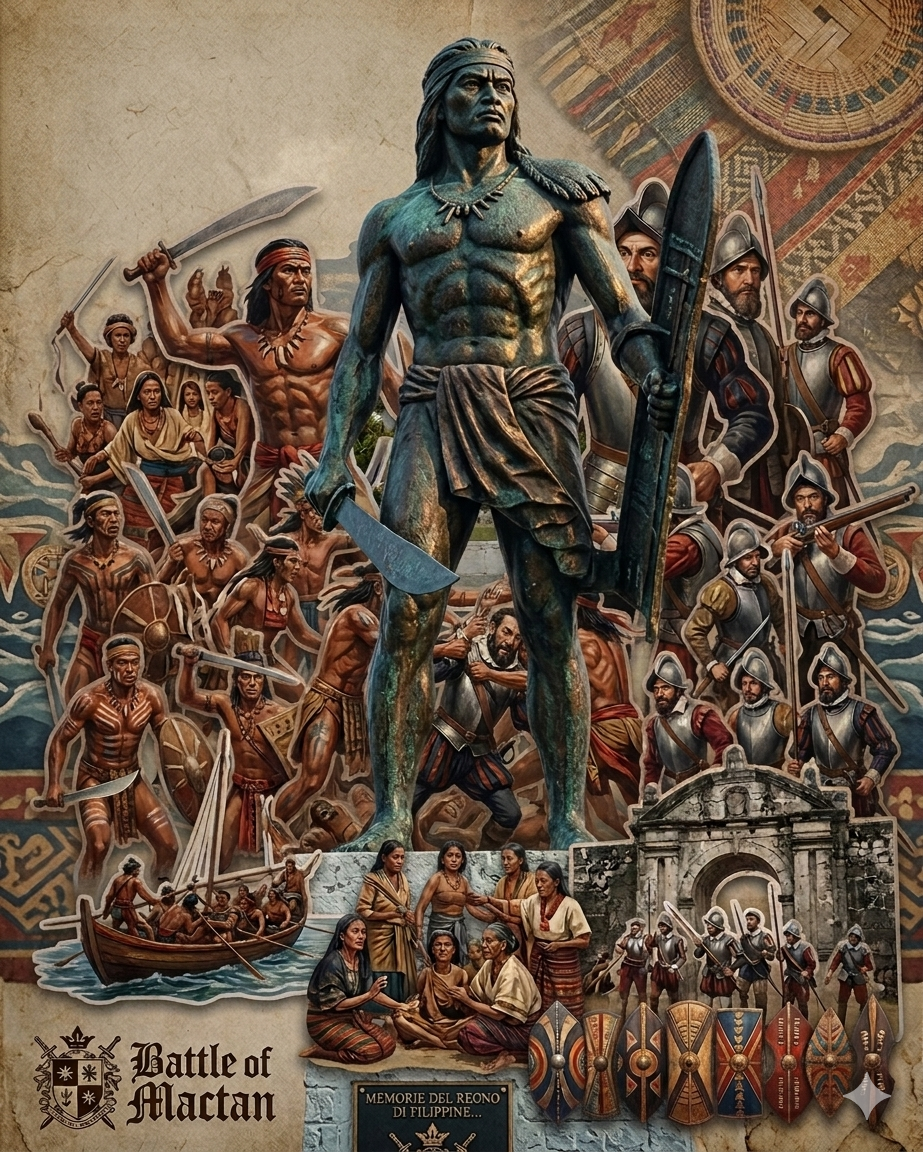
The history of Lapu-Lapu City is anchored in the mid-16th century when it served as the site of the
first successful resistance against Spanish colonization in the Philippines. In April 1521, the
chieftain Datu Lapu-Lapu and his warriors confronted the Portuguese explorer Ferdinand Magellan on
the shores of Mactan. Despite the Spaniards' superior armor and weaponry, the local forces utilized
their knowledge of the shallow, rocky coastline to outmaneuver the invaders, resulting in Magellan’s
death and the retreat of his fleet. This victory established Lapu-Lapu as a national hero and a
symbol of indigenous sovereignty, a legacy that remains the central pride of the island today.
Following the Spanish era, the area was known as the town of Opon for several centuries, serving as
a quiet community of fishermen and traders. It wasn't until 1961 that the municipality was
officially converted into a city and renamed in honor of the great chieftain. The construction of
the Mactan-Mandaue Bridge in the 1970s and the subsequent establishment of the Mactan-Cebu
International Airport transformed the city from a historical outpost into a modern economic
powerhouse. Today, it has evolved into a global tourism hub and an industrial center, successfully
balancing its role as a "Historic Resort City" with its status as a vital gateway to the Central
Visayas.