
NAPC strategizes LPRAP formulation orientation to support anti-poverty programs in Lapu-Lapu
April 14, 2026
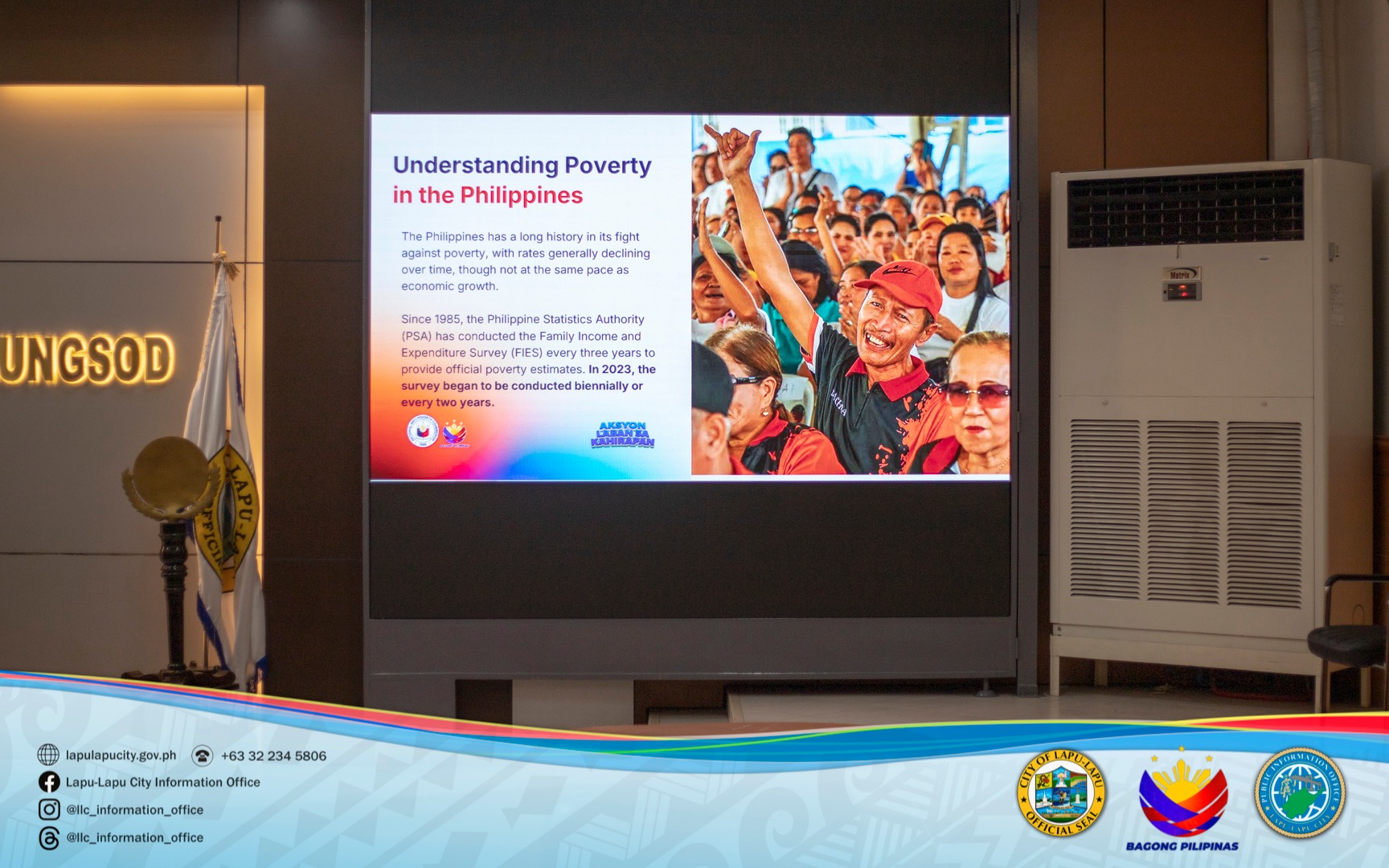
The National Anti-Poverty Commission (NAPC), in collaboration with the Department of the Interior and Local Government (DILG Lapu-Lapu), convened a Local Poverty Reduction Action Plan (LPRAP) Formulation Orientation at the Session Hall on April 14, 2026. The activity aimed to strengthen collaboration on sustainable food security, livelihood programs, and community-driven approaches to reduce poverty in Lapu-Lapu City. The focus sectors include local farmers, artisanal fisherfolk, vulnerable Indigenous peoples, informal settlers in urban areas, communities in danger zones and conflict areas, and geographically isolated and disadvantaged populations. Mayor Cindi King-Chan attended the forum and expressed support for the initiative. She reaffirmed the city’s commitment to uplifting vulnerable sectors, stating, "The presence of NAPC today reflects a clear direction in governance, one that listens, engages, and ensures that no community is left behind in the process of development." DILG Lapu-Lapu Director Dr. Neila Aquino also conveyed her support and stressed the importance of understanding NAPC’s objectives in prioritizing vulnerable sectors, especially amid the ongoing energy crisis. NAPC Senior Technical Officer for the Office of the Lead Convenor, Reclynes Dela Cerna, presented the rationale and provided an overview of Republic Act No. 11291, or the Magna Carta of the Poor, which guides the formulation of the LPRAP. Development Management Officer Catalina Ocampo discussed NAPC’s mandate and functions in community building. Concordio Austero, Urban Poor sectoral representative for Central Visayas, presented the basic sector mechanisms. The orientation aimed to align local priorities with national strategies and promote inclusive growth and empowerment of marginalized sectors. NAPC’s priority programs include microfinance services, local poverty reduction initiatives, and capacity-building programs for sectors and local government units. This initiative will expand partnerships and strengthen program delivery for every Oponganon. The event was attended by City Councilor Celestino Aying, chairperson of the Committee on the Urban Poor, along with sectoral representatives, local government agencies, and department heads. It marked a step toward inclusive growth and development in Lapu-Lapu City. Earlier in the day, Mayor Chan formally welcomed the delegation during a courtesy visit to her office before the orientation. Also present during the meeting were Concordio Austero, Urban Poor sectoral representative; Trina Morala, sectoral representative of disaster victims; and Teresa Tanan, council member for persons with disabilities.